Ultimate Guide to Staying Cool in Manasota Summers
Practical tips to stay safe and cool in Manasota: hydration, clothing, home cooling, heat-illness signs, and local cooling spots.
Summers in Manasota are intense, with temperatures often exceeding 90°F and humidity levels reaching 70–80%. Staying cool isn't just about comfort - it’s about safety. Here's how to handle the heat effectively:
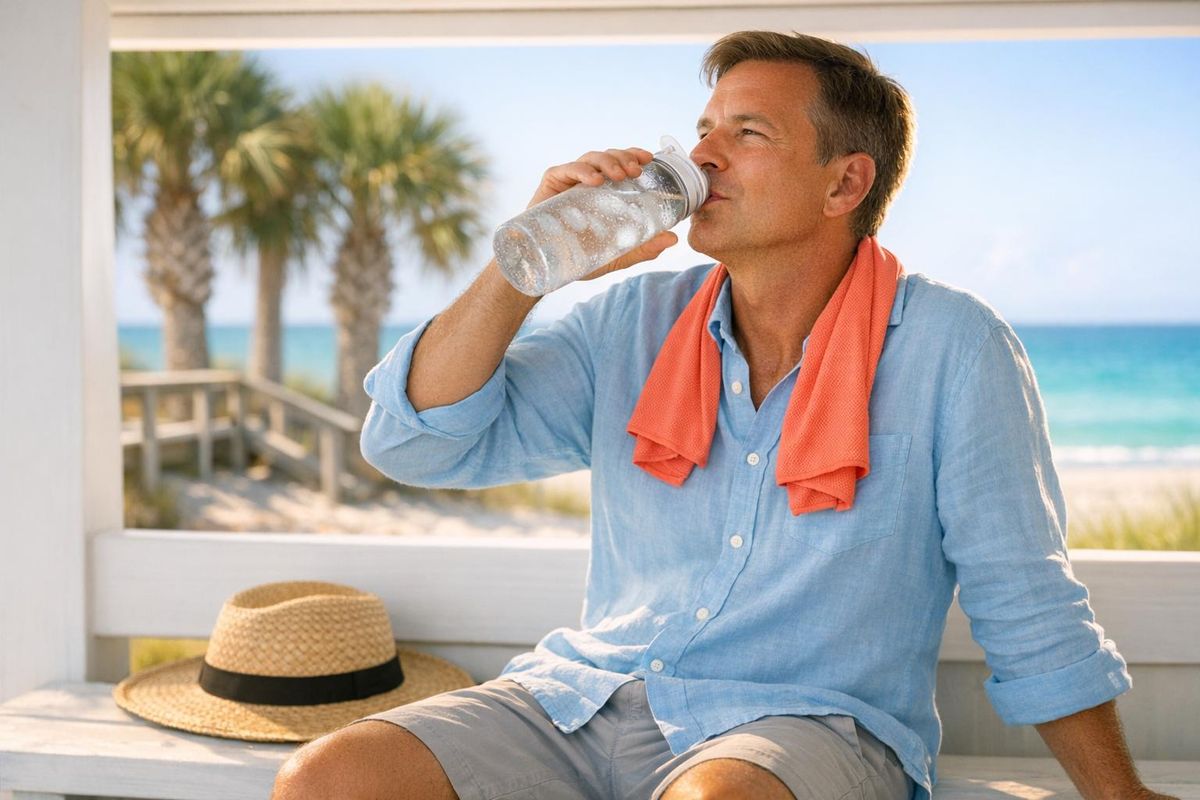
- Hydration: Drink water consistently, not just when thirsty. Add electrolyte drinks or hydrating foods like watermelon and cucumbers to your diet.
- Clothing: Wear loose, lightweight, light-colored fabrics. Long sleeves can help protect against UV rays.
- Heat Illness Awareness: Recognize signs of heat exhaustion (dizziness, heavy sweating) and heatstroke (confusion, dry skin). Act fast - heatstroke is a medical emergency.
- Cool-off Spots: Visit air-conditioned spaces like libraries or enjoy water activities at beaches, pools, or splash pads.
- Home Cooling: Use window treatments, maintain your AC, and consider planting shade trees to reduce indoor heat.
Manasota summers also pose long-term challenges due to rising temperatures. Community efforts like tree planting programs and urban cooling initiatives are helping mitigate these effects. By combining personal strategies with local resources, you can enjoy the season while staying safe and comfortable.
Hydration and Nutrition for Hot Weather
How to Stay Hydrated in High Humidity
When humidity levels hit 70–80%, the thick, muggy air makes it harder for sweat to evaporate. This forces your body to lose fluids more quickly, so drinking water regularly is crucial. Don’t wait until you’re thirsty - that’s a sign you’re already dehydrated.
The general recommendation for daily water intake is about 13 cups (104 ounces) for men and 9 cups (72 ounces) for women, but these amounts increase if you’re outdoors or active. Planning ahead helps: drink 16–20 ounces of water 2–3 hours before heading outside, and continue with 7–10 ounces every 10–20 minutes during your activity. For kids, water needs range from 4 cups a day for toddlers to 8–11 cups for teenagers.
Sweating also drains your body of key minerals like sodium and potassium. To replenish, try coconut water or electrolyte drinks. If you’ll be in the heat for hours, keep electrolyte packets handy. Be cautious with high-sugar sodas, energy drinks, coffee, and alcohol - these act as diuretics and can worsen dehydration.
Drinking water is just one part of the equation. The right foods can also help your body handle the summer heat.
Light Foods and Meals for Summer
Did you know about 20% of your daily water intake comes from food? That’s why hydrating snacks like cucumbers (96% water), celery (95%), and watermelon (over 90%) are summer staples. Other great options include tomatoes, iceberg lettuce, and radishes, which not only hydrate but are also light and easy to digest.
For meals, consider replacing heavy meats with plant-based proteins like chickpeas or beans. These are easier to digest and don’t generate as much internal heat. Leafy greens are another smart choice - they provide calcium, which helps regulate body temperature. Pair them with whole grains, which contain magnesium to relax muscles and support calcium absorption. Adding fresh mint to a salad or smoothie can create a refreshing, cooling sensation, while fruits like pineapple and citrus deliver electrolytes, vitamin C, and digestive support.
Keeping your hydration and nutrition on point doesn’t just help you handle the heat - it also prepares you for unexpected challenges, like power outages during hurricane season.
Water Storage for Hurricane Season
Hurricane season in Manasota runs from June 1 through November 30. Being prepared means having enough water on hand: at least 3 gallons per person for three days, although a 10-day supply is ideal for both people and pets. To build your reserves, start freezing water in plastic containers or cans a few days before a storm is expected. This not only increases your water supply but also helps keep your food cold longer.
A fully stocked freezer can stay cold for about 48 hours if unopened (24 hours if only half-full). After the first four hours of a power outage, move perishables and water into an insulated cooler with ice or frozen water jugs to keep them safe. Signing up for emergency alerts from "Alert Sarasota County" or "Alert Manatee" ensures you’ll get boil water advisories and other critical updates. And don’t forget Florida’s Disaster Preparedness Sales Tax Holidays, usually held in June and August, where you can stock up on water containers and emergency supplies tax-free.
These water storage tips, combined with proper hydration and nutrition, ensure you’re ready to handle Manasota’s summer heat and any unexpected emergencies that come your way.
How to Stay Safe and Cool During Hot Summer Days
What to Wear in the Heat
Dressing smartly is just as important as staying hydrated when dealing with Manasota's scorching summer temperatures.
The 4 Ls: Loose, Long, Light, Lightweight
When the heat climbs past 90°F, your clothing choices can make all the difference. Loose-fitting clothes are a must - they allow air to circulate and help prevent sweat from clinging to your skin. Think flowy dresses, wide-leg pants, or kaftans instead of anything tight or restrictive.
Lightweight fabrics are another key to staying cool. Linen is a top pick because its open weave dries quickly, resists sticking to your skin, and even has antibacterial properties. Cotton is a classic for its softness, though it tends to hold onto moisture. For humid days, fabrics like rayon or modal, which absorb about 50% more moisture than cotton, are excellent options. If you're planning outdoor activities, technical fabrics like polyester or nylon wick away sweat, keeping you dry.
Light colors - such as white, pastel shades, coral, or turquoise - help reflect sunlight instead of absorbing it, which keeps you cooler. As Jodi Frauhiger, General Manager of Foxy Lady, aptly says:
"White is forever in Florida".
For the lightest feel, choose fabrics under 160 GSM (grams per square meter).
Surprisingly, long sleeves and pants can be more comfortable in the heat when made from tightly woven, breathable materials. They also offer vital UV protection. Seersucker, with its puckered texture, is a great choice because it minimizes the fabric touching your skin. Billy Draddy, EVP and Creative Director at Summit Golf Brands, explains:
"The less surface area that's hitting your skin, the cooler you will feel".
For those looking for eco-friendly options, fabrics like bamboo and banana fiber are gaining popularity. Banana fiber, for instance, can block up to 95% of harmful UV rays.
Pair your summer wardrobe with proper sun protection to stay comfortable and safe.
Sunscreen and Shade Protection
Sunscreen is non-negotiable during Manasota summers. Use a broad-spectrum SPF 30 or higher and reapply every two hours - or immediately after swimming, sweating, or toweling off. Always check expiration dates; sunscreen lasts up to three years unless exposed to heat, which shortens its shelf life. And remember, a damp T-shirt offers far less UV protection than a dry one, so plan accordingly for beach days.
Accessories are your next line of defense. Opt for a wide-brimmed hat made from tightly woven fabric or lined straw to shield your face, ears, and neck - loose weaves let UV rays through. Polarized sunglasses with UV400 labeling or 100% UV protection are essential for protecting your eyes from glare and long-term damage like cataracts or macular degeneration.
For transitioning between the sweltering outdoor heat and chilly air-conditioned spaces, a lightweight wrap or scarf made from viscose or cotton is a handy addition. Local boutique owner Maryalice Keller considers this a summer must-have. Finally, plan outdoor activities for early morning or late afternoon when the sun's intensity is lower, and seek shade between 10 a.m. and 4 p.m. to avoid the harshest rays.
Heat-Related Illnesses: Signs and Response
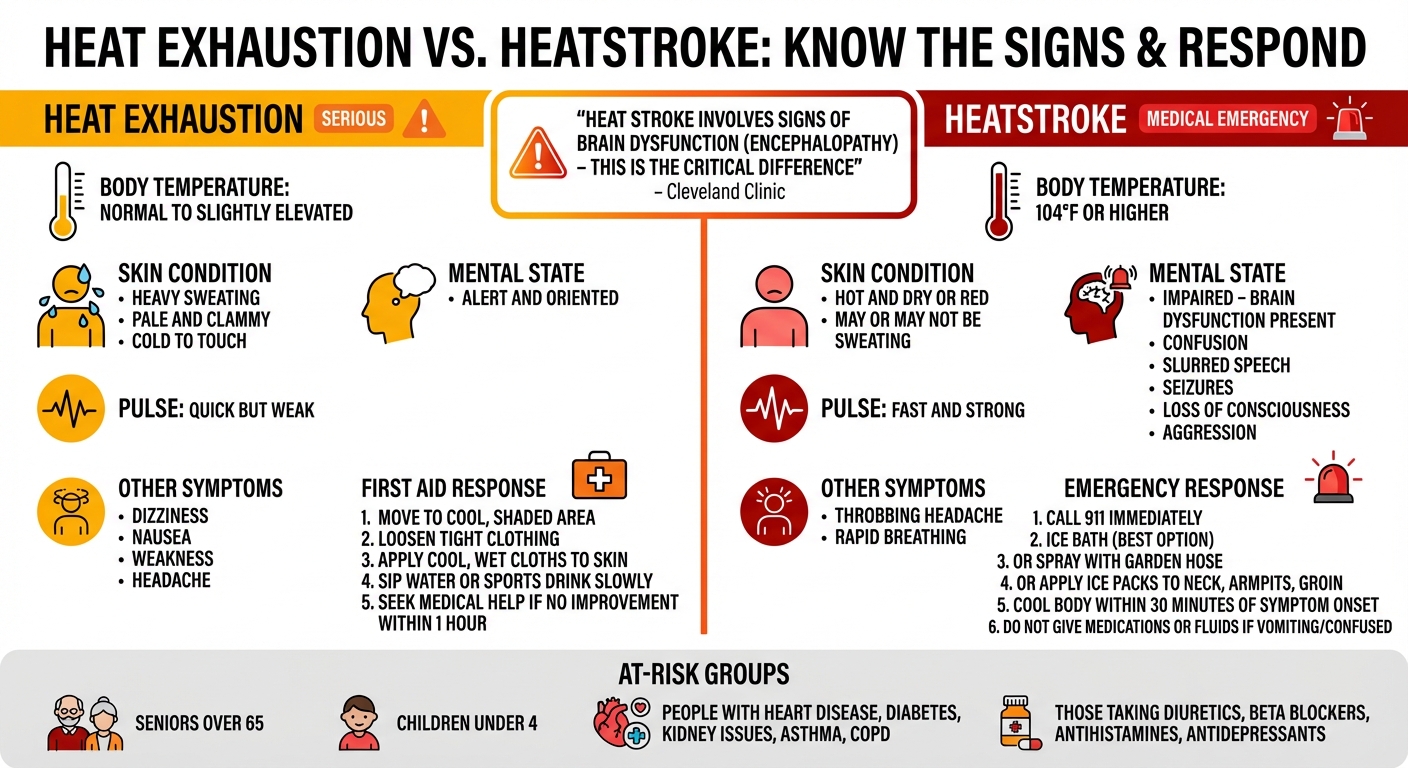
Heat Exhaustion vs Heatstroke Warning Signs and Emergency Response
Keeping yourself hydrated and well-fed is important, but understanding the warning signs of heat-related illnesses is just as critical, especially during the sweltering Manasota summers. Knowing how to differentiate between heat exhaustion and heatstroke can literally save lives. Often, the first sign is heat cramps - painful muscle spasms in the legs, arms, or abdomen that occur during or after physical activity. If left unchecked, this can progress to heat exhaustion, which includes heavy sweating, cold and clammy skin, a quick but weak pulse, and nausea. The most severe stage is heatstroke, where the body’s cooling mechanisms completely fail. This is marked by a dangerously high core temperature of 104°F or more and changes in mental state, such as confusion, slurred speech, or even aggression.
Warning Signs of Heat Exhaustion and Heatstroke
Heat exhaustion and heatstroke share some symptoms, but there are key differences. Heat exhaustion typically includes heavy sweating, pale and clammy skin, dizziness, nausea, and a weak pulse. Despite feeling faint, the person usually remains alert. Heatstroke, on the other hand, is far more severe. The body temperature soars above 104°F, the skin becomes hot and may be dry or red, and the pulse is fast and strong. The most alarming sign is mental impairment. According to Cleveland Clinic:
"A key difference between heat exhaustion and heat stroke is that with heat stroke, you have signs of brain dysfunction (encephalopathy)."
Be on the lookout for confusion, slurred speech, seizures, or loss of consciousness - these are red flags that demand immediate attention.
First Aid Steps and When to Call 911
Recognizing symptoms quickly can make all the difference. For heat exhaustion, move the affected person to a cool, shaded area right away. Loosen any tight clothing, apply cool, wet cloths to their skin, and encourage them to sip water or a sports drink slowly. If their condition doesn’t improve within an hour, seek medical help.
Heatstroke, however, is a medical emergency - call 911 immediately. While waiting for help, focus on aggressive cooling. The best option is an ice bath, but if that’s not available, spray the person with water from a garden hose or place ice packs on their neck, armpits, and groin. Cooling the body within 30 minutes of symptom onset is crucial and can significantly improve survival.
Avoid giving fever-reducing medications or oral fluids if the person is vomiting, confused, or unconscious. These actions can worsen organ damage or increase the risk of choking.
Extra Precautions for Children, Seniors, and At-Risk Groups
Once immediate first aid is handled, extra care should be taken for vulnerable groups. Seniors over 65 face higher risks due to less effective temperature regulation, and many take medications that impair their ability to handle heat. Young children under 4 are also particularly vulnerable and should never be left in parked cars, where temperatures can escalate to dangerous levels in minutes. People with conditions like heart disease, diabetes, kidney issues, asthma, or COPD are also at higher risk, as are those taking medications such as diuretics, beta blockers, antihistamines, or antidepressants.
For elderly or immobile loved ones, establish a system of regular check-ins during heat waves. Air conditioning is essential - according to the CDC, it’s "the number-one protective action against extreme heat". If home cooling isn’t sufficient, visit air-conditioned public spaces like libraries, senior centers, or malls. Aim to drink 6–8 glasses of water daily and plan outdoor activities for early morning or late evening, steering clear of the hottest hours between 12:00 PM and 4:00 PM.
Where to Cool Off in Manasota
Looking for a way to escape the summer heat in Manasota? Once you've got hydration, proper clothing, and heat illness awareness covered, it's time to explore some refreshing local spots.
Air-Conditioned Public Spaces
Public libraries are a great option for cooling off while enjoying a quiet and comfortable environment. The Lakewood Ranch Branch Library spans 25,000 square feet and includes a quiet reading room, along with dedicated spaces for teens and children. In downtown Bradenton, the Bradenton Central Library offers an expansive indoor space featuring a recording studio, a makerspace, and the Eaton Room for local history enthusiasts. For families with young kids, the Little Discovery Center in downtown Bradenton provides interactive learning experiences tailored for children aged 2 to 5.
If you're ready to combine cooling down with some outdoor fun, check out these water-friendly destinations.
Beaches, Water Parks, and Public Pools
Manasota's beaches and aquatic attractions are perfect for beating the heat. Coquina Beach in Bradenton Beach and Manasota Beach in Englewood both offer lifeguard-supervised swimming areas, complete with picnic shelters and showers. For more thrilling water activities, the North Port Aquatic Center boasts a 9,000-square-foot lazy river and a 70-foot water slide. Over in Palmetto, the Lincoln Aquatic Center provides a zero-entry pool and two slides - all completely free.
On a budget? The Bradenton Riverwalk Splash Pad and Bayfront Park in Sarasota offer free water play areas. Meanwhile, G.T. Bray Park in Bradenton features a 4,000-square-foot splash zone and a 12-foot water slide, all for just $3.
For a more tranquil experience, consider exploring some lesser-known spots.
Lesser-Known Cool Spots
Manasota is home to some hidden gems where you can cool off in peace. Frog Creek in Palmetto is a shaded freshwater creek that winds through mangrove tunnels, creating a serene paddling experience. Families will enjoy Rye Preserve in Parrish, where the "Rye branch" offers a shallow, sandy-bottomed stream perfect for wading and playing. For a bit more adventure, head to the Upper Manatee River sandbars near Ray's Canoe Hideaway. These sandbars, complete with rope swings, are ideal for picnicking, fishing, or swimming. As Bonnie Gross describes:
"The dazzling white sandbars along the Manatee River are inviting to fishers, picnickers and swimmers".
If you're looking for a shaded retreat, Conservatory Park in Sarasota offers 55 acres of trails under a canopy of trees, plus a lake pier for a peaceful escape.
Keeping Your Home Cool
After enjoying the cooler spots around Manasota, you can bring that comfort indoors with some effective home-cooling strategies.
Window Treatments, AC Systems, and Insulation
Windows are one of the biggest culprits when it comes to heat entering your home. Did you know that about 76% of sunlight hitting double-pane windows turns into indoor heat?. Stopping that heat before it gets inside can make a noticeable difference. For example, exterior awnings can cut heat gain by as much as 65% on south-facing windows and 77% on west-facing ones. If awnings aren't an option, consider cellular shades, which reduce heat gain by up to 60%, or curtains with white plastic backing, which can lower indoor solar heating by around 35% [58,59].
In Florida, where air conditioning is a lifeline, it accounts for nearly half of household energy use. To keep your AC running efficiently, clean or replace filters every 1–3 months and schedule biannual tune-ups, which can improve efficiency by 5–10%. If you're ready for an upgrade, a SEER-16 unit could save you up to 20% on cooling costs. Using ceiling fans? Set them to rotate counterclockwise to create a wind-chill effect, allowing you to raise the thermostat by about 4°F without feeling warmer [59,64].
Don't forget about ductwork - leaky ducts can waste up to 30% of cooled air. Seal them with mastic or metal tape to prevent this loss. Adding attic insulation with an R-value of 30 or higher can also stop heat from radiating into your living spaces. Even your flooring can play a role: swapping carpet for laminate improves airflow and keeps floors cooler. As Manasota Flooring explains:
"Laminate doesn't trap heat like carpet, so your floors stay cooler and more breathable".
But cooling your home isn't just about the inside - what's outside matters, too.
Urban Heat Islands and How to Reduce Them
Urban areas in Manasota can be 2–5°F hotter at night due to the Urban Heat Island effect. Samantha Sliger from UF/IFAS Extension Sarasota County explains:
"Urban heat islands are caused by the concentration of surfaces that retain and absorb heat, such as buildings, roads, and pavement".
This phenomenon has contributed to Sarasota experiencing nearly 64 high-heat days annually, a jump from just 35 days in 1960.
Planting trees is one of the most effective ways to combat this. Shade trees can cool surface temperatures by 20–45°F and help homes use up to 50% less energy for cooling. Native species like Live Oaks or Southern Magnolias work best when planted 7 to 20 feet from your home, especially on the west and south sides where the afternoon sun is strongest. This simple step can reduce cooling costs by 10–15%.
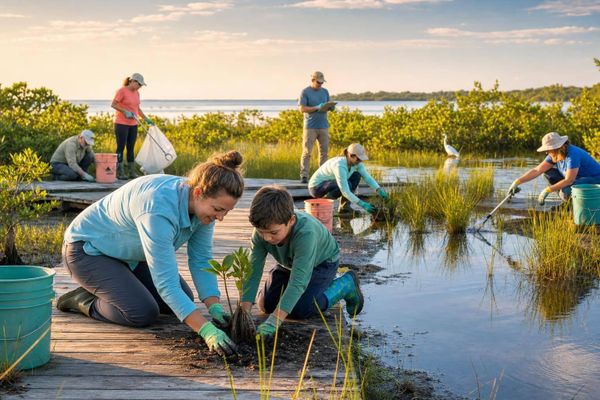
In August 2023, Florida Veterans for Common Sense teamed up with local groups to create a micro-forest at the Celery Fields in Sarasota. This new green space not only provides shade but also helps lower local temperatures by adding vegetation to the area.
Long-Term Heat Solutions for the Community
Local Tree Planting and Park Programs
Tree planting and park initiatives led by the community offer a lasting way to cool neighborhoods, complementing home-based solutions. For example, the City of Sarasota's Neighborhood Canopy Program allows residents to pay a $100 deposit for a professionally installed 2-inch caliper tree in their front yard, with the city covering up to $500 through its Tree Mitigation Fund [69,70]. Chief Arborist Jacqueline Hartley shared in July 2025 that the program planted 52 trees in 2024 and aims to surpass that number in 2025. She noted:
"The objective is to get more trees - to get more shade - which helps with storm water and urban wildlife. It even reduces crime and can increase property values."
In another effort, a tree giveaway event at The Bay Park in April 2025 distributed 100 trees in just 64 minutes. The city also teamed up with the Arbor Day Foundation to provide 200 free trees (ranging from 1 to 3 feet tall) to residents, including species like live oak, bald cypress, and crape myrtle. Meanwhile, cities such as Anna Maria, Bradenton, Holmes Beach, and Palmetto maintain their Tree City USA designation by allocating at least $2 per capita to urban forestry.
Residents interested in participating in these programs should confirm their eligibility by ensuring they live within city limits and registering via email at neighborhoodcanopyprogram@sarasotafl.gov. Before planting, remember to call 811 a few days in advance to check for underground utilities. When planting, ensure the tree’s trunk flare sits slightly above ground level.
These local efforts lay the groundwork for broader strategies aimed at combating extreme heat.
Supporting Heat-Resilient Infrastructure Policies
Local projects like tree planting are just the beginning; municipal policies play a key role in building long-term resilience to heat. For example, in May 2024, Sarasota launched the second phase of an urban forest project on Ringling Boulevard, funded by a $55,000 USDA grant. This initiative aims to raise canopy coverage from 12% to 24% over the next decade by adding trees to medians and turning lane dividers into landscaped areas. In June 2024, Sarasota County partnered with NASA DEVELOP to conduct a heat vulnerability assessment using satellite and International Space Station imagery. The study identified Newtown, Venice, and North Port as areas most affected by extreme heat, recommending cooling centers and policies promoting light-colored roofing in these neighborhoods.
Residents can get involved by attending public workshops on the Sarasota-Manatee Region Climate Pollution Reduction Plan and advocating for tree equity in underserved areas. Walter Smith from the Sierra Club underscored the urgency of these efforts, stating:
"One community can be much hotter than a whole other community... The environmental impacts that that holds can be devastating and can literally mean life or death."
With Sarasota potentially facing up to 131 days of extreme heat annually by 2050 - compared to the current 64 days - these investments are critical for the community’s well-being [74,62].
For more updates and information on sustainable heat solutions, visit Manasota.co.
Conclusion
Staying cool and safe during Manasota summers takes a mix of personal effort and community involvement. Simple steps like staying hydrated, wearing sun-protective clothing, and planning outdoor activities wisely can make a big difference. For example, heading to the beach before 10:00 AM or scheduling fishing trips in the early morning or evening can help you sidestep the harshest midday heat.
Manasota also offers plenty of ways to escape the heat. From air-conditioned museums and water parks to natural getaways like Manasota Key's 11-mile undeveloped coastline, there are options for everyone. This stretch of shoreline, free from heat-trapping structures, offers a peaceful retreat reminiscent of "Old Florida" charm.
But the rising heat isn't just a matter of personal comfort - it’s a growing community challenge. Sarasota has seen extreme heat days jump from 35 to 64 annually since 1960, and projections suggest daily highs could climb by as much as 5.4°F by 2050. Tackling this requires collective action. Planting trees, supporting heat-resilient infrastructure, and checking in on neighbors - especially those most vulnerable - are all ways to create a safer environment.
Samantha Sliger from UF/IFAS Extension Sarasota County highlights the bigger picture:
"By promoting the importance of planting trees and urban green spaces and encouraging energy-efficient practices, we can collectively work towards creating a cooler and more sustainable Sarasota".
Combining individual preparation with community-driven initiatives can help Manasota adapt to rising temperatures while preserving its charm and livability.
Visit Manasota.co for local tips and updates.
FAQs
How can I tell if I’m dehydrated before I feel thirsty?
You might already be dehydrated before you even feel thirsty. Signs to watch for include fatigue, dizziness, headaches, muscle cramps, or even constipation. These symptoms can show up with mild dehydration, even if you don’t feel thirsty yet.
What’s the safest way to cool down fast if I start overheating outside?
To cool off fast and safely, find a shaded spot or, if you can, head to a place with water, like a beach or splash park. If water isn't an option, sit in the shade and use cool (but not ice-cold) water or a damp cloth on your skin. Steer clear of outdoor activities during the hottest parts of the day, and stay alert for heat illness symptoms, like dizziness or unusually dry skin.
How can I keep my home cool during a summer power outage?
To keep cool during a summer power outage, focus on reducing heat and using simple cooling techniques:
- Block sunlight by closing curtains or blinds, especially on windows facing direct sun.
- Stick to cooler spots like basements or shaded rooms where temperatures are naturally lower.
- Use battery-powered fans or try DIY cooling tricks, like placing a bowl of ice in front of a fan.
- Cool down with damp cloths applied to pulse points like your wrists or neck.
- Dress for the heat in lightweight, loose-fitting clothing, and steer clear of using heat-producing appliances.
These tips can make the heat more bearable while you wait for the power to come back.